



Early check-ups are key to preventing pediatric dental anxiety
Pediatric Dentist Nurgül Demir explains how early visits and proper parental communication can prevent dental anxiety from turning into a lifelong phobia.


GOBESTDENTISTS.COM / ANKARA, TÜRKİYE — DECEMBER 27, 2025
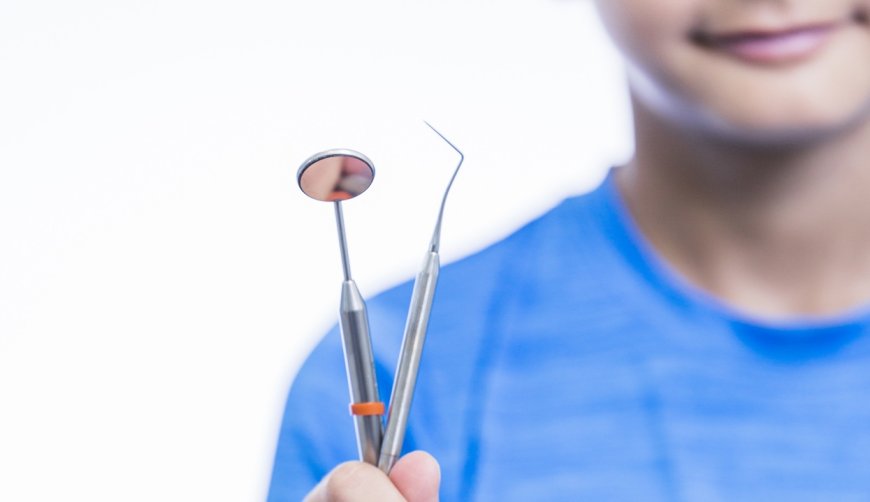
Pediatric Dentist Nurgül Demir highlights that starting routine dental check-ups as soon as the first primary teeth emerge is the most effective strategy for preventing dental anxiety in children.
Dental anxiety is a state of uncontrollable worry regarding perceived pain during dental procedures, which often complicates the feasibility of necessary treatments. According to Demir, while adult anxiety usually stems from past negative experiences, children are often influenced by frightening stories heard from peers or pain associated with delayed treatments. Establishing a "dental home" early on helps children familiarize themselves with the clinical environment, effectively preventing the development of a lifelong phobia.
Avoid "it won't hurt" traps
Demir advises parents to be mindful of the language used when discussing dental visits. Negative bias can be inadvertently created if parents use phrases like "it won't hurt at all," which can lead to negative conditioning and mistrust. "The management of the child’s expectations and the clinical process should be left entirely to the pediatric dentist," Demir noted, emphasizing that the goal is to build a foundation of trust rather than fear.
The first visit by age one
Experts recommend that infants should have their first dental examination by their first birthday. This early intervention allows dentists to assess the risk of cavities and educate parents on maintaining proper oral hygiene. Demir emphasized that protecting oral health at this stage involves avoiding sugary liquids and solid snacks, which are the primary culprits for early childhood caries.


Preventive measures and brushing habits
Developing a habit of brushing twice a day with an age-appropriate amount of fluoride toothpaste is essential. Nurgül Demir shared key insights for protective care:
-
Fluoride Contact: Direct contact of fluoride with the tooth surface significantly enhances its protective effect.
-
Parental Supervision: Brushing should be performed or supervised by parents to ensure correct techniques.


-
Professional Fluoride: Professional fluoride applications twice a year serve as a vital barrier against tooth decay.
-
Minimal Invasive Approach: Early detection through regular screenings prevents the progression of decay, often avoiding the need for more complex procedures.
What's Your Reaction?
 Like
0
Like
0
 Dislike
0
Dislike
0
 Love
0
Love
0
 Funny
0
Funny
0
 Wow
0
Wow
0
 Sad
0
Sad
0
 Angry
0
Angry
0

Editor | GoBestDentists.com delivers reliable and up-to-date dental health information by featuring expert opinions from dentists and oral health professionals. The platform covers the latest developments in dentistry, modern treatment methods, and innovative dental technologies with a commitment to accuracy, transparency, and patient-focused reporting. All content is prepared in line with international health journalism standards and based on verified sources and clinical insights.
















Comments (0)