



Tooth Fracture Guide: Causes, Symptoms, and Treatment Options
Tooth fractures caused by trauma or decay require immediate dental intervention, ranging from simple fillings to advanced implants, to prevent serious infection.


BY BİLGE TÜRK | GO BEST DENTISTS
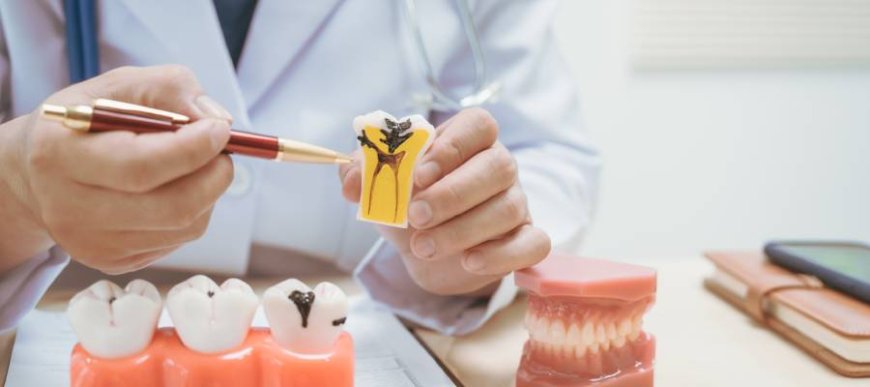
ANKARA, TÜRKİYE — Tooth fractures resulting from trauma, hard foods, or structural weakness pose significant risks to oral health, necessitating prompt clinical evaluation and specialized restorative treatments to prevent permanent nerve damage.
While a broken tooth is often viewed as an aesthetic issue, it frequently leads to functional problems, including severe pain and increased infection risk. Dental experts warn that untreated fractures can allow bacteria to reach the tooth's pulp, potentially leading to abscesses or total tooth loss. Early diagnosis and intervention remain the most effective ways to save the natural tooth structure.
Common causes of dental fractures
Dental fractures are common across all age groups, though the triggers vary. Physical trauma from falls, traffic accidents, or sports injuries are leading causes of sudden fractures. However, chronic habits like "bruxism" (teeth grinding) can also weaken enamel over time, causing teeth to crack under normal chewing pressure. Additionally, teeth weakened by large old fillings, untreated cavities, or the natural brittleness associated with aging are significantly more susceptible to breaking when consuming hard foods like nuts or hard candy.
Recognizing the symptoms early
A fracture is not always visible to the naked eye, making it essential to monitor physical sensations. Common symptoms include sharp pain when biting down, sudden sensitivity to hot or cold temperatures, and localized swelling of the gums around the affected tooth. Patients may also feel a sharp edge with their tongue or notice a constant dull throb if the fracture has reached the nerve. If an infection develops, a persistent bad taste or halitosis (bad breath) may also occur.


Restorative treatment options
The choice of treatment depends entirely on the location and severity of the break. Dentists utilize a range of modern techniques to restore both function and aesthetics:
-
Dental Bonding: For minor chips or cracks, a tooth-colored composite resin is applied to reshape the tooth.
-
Dental Crowns: If a large portion of the tooth is missing, a custom-made "cap" or crown is placed over the remaining structure to provide strength.


-
Root Canal Therapy: Required if the fracture extends into the pulp, this procedure saves the tooth by removing damaged nerves and sealing the interior.
-
Dental Implants: In cases where the tooth is fractured below the gum line and cannot be saved, an implant provides a long-lasting titanium replacement for the missing root.
Emergency steps after a fracture
Immediate action can significantly increase the chances of saving a broken tooth. If a tooth breaks, patients should rinse their mouth with warm water and apply a cold compress to the outside of the face to reduce swelling. If a piece of the tooth has broken off, it should be kept moist in a container of milk or saline solution and brought to the dentist immediately. Experts emphasize that regular check-ups and the use of protective equipment, such as mouthguards during sports or night guards for grinding, are the best preventive measures against future fractures.
What's Your Reaction?
 Like
0
Like
0
 Dislike
0
Dislike
0
 Love
0
Love
0
 Funny
0
Funny
0
 Wow
0
Wow
0
 Sad
0
Sad
0
 Angry
0
Angry
0

Editor | GoBestDentists.com delivers reliable and up-to-date dental health information by featuring expert opinions from dentists and oral health professionals. The platform covers the latest developments in dentistry, modern treatment methods, and innovative dental technologies with a commitment to accuracy, transparency, and patient-focused reporting. All content is prepared in line with international health journalism standards and based on verified sources and clinical insights.
















Comments (0)