



What is orthodontics? Modern treatments for dental alignment
Explore the essentials of orthodontics, from correcting jaw misalignments to modern brace technologies, ensuring both functional health and aesthetic smiles.
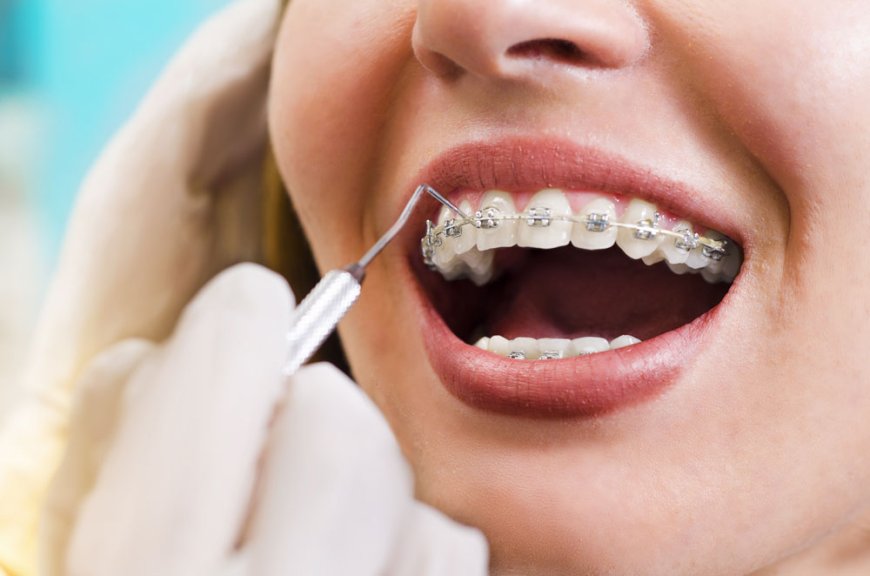


GOBESTDENTISTS.COM / ANKARA, TURKEY — DECEMBER 27, 2025
Orthodontics is a specialized branch of dentistry focused on diagnosing, preventing, and treating dental irregularities and facial abnormalities to ensure proper alignment and functional harmony between the teeth and jaws.
Beyond achieving an aesthetic smile, orthodontic intervention plays a vital role in long-term oral health by preventing gum disease, reducing jaw joint pressure, and correcting speech or chewing impairments.
Skeletal disorders and developmental factors
The treatment approach for skeletal issues, such as an overbite or underbite, is heavily dependent on the patient’s age and developmental stage. While adolescent patients can often be treated using growth-modifying orthodontic techniques, skeletal corrections in adults typically require a multidisciplinary approach involving both orthodontics and orthognathic surgery.
Functional habits also significantly impact jaw formation; for instance, chronic mouth breathing can lead to a narrow, V-shaped upper jaw. Early childhood habits such as thumb sucking, nail-biting, or prolonged use of pacifiers and bottles are known contributors to orthodontic deformities that require early intervention to ensure healthy skeletal growth.


Causes of dental crowding and tooth loss
Crowding occurs when the jaw structure is too small to accommodate the size of the teeth, leading to misalignment. This issue is often exacerbated by the early or late loss of primary (baby) teeth. When a primary tooth is lost prematurely, neighboring teeth tend to shift into the gap, leaving insufficient space for permanent teeth to erupt correctly. Additionally, anatomical factors like an oversized tongue or existing tooth gaps can cause unwanted spacing or "diastema."
Modern orthodontic methods and appliances
Orthodontic specialists utilize various tools tailored to the severity of the patient's condition, categorized into three main groups:
-
Removable Appliances: Used for mild corrections, these can be easily inserted and removed by the patient.


-
Functional Appliances: Designed to guide jaw growth and correct bite issues during developmental years.
-
Fixed Appliances: Braces and wires bonded to the teeth for comprehensive alignment.
Once the active phase of treatment is concluded, "reinforcement therapy" or retention is essential. During this period, passive retainers are used to prevent teeth from shifting back to their original positions.
A multidisciplinary approach to oral health
Orthodontics works in continuous collaboration with other dental specialties to provide holistic care. By addressing malocclusions early, patients can avoid future complications such as periodontal disease and temporomandibular joint (TMJ) disorders, ultimately enhancing their overall quality of life.
What's Your Reaction?
 Like
0
Like
0
 Dislike
0
Dislike
0
 Love
0
Love
0
 Funny
0
Funny
0
 Wow
0
Wow
0
 Sad
0
Sad
0
 Angry
0
Angry
0

Editor | GoBestDentists.com delivers reliable and up-to-date dental health information by featuring expert opinions from dentists and oral health professionals. The platform covers the latest developments in dentistry, modern treatment methods, and innovative dental technologies with a commitment to accuracy, transparency, and patient-focused reporting. All content is prepared in line with international health journalism standards and based on verified sources and clinical insights.















Comments (0)