



Tooth loss is more than an aesthetic issue, experts warn
Prosthodontic specialist Yaren Dilci Halmedov explains how missing teeth can lead to digestive problems, bone loss, and shifts in dental alignment.


GOBESTDENTISTS.COM / ISTANBUL, TÜRKİYE — DECEMBER 27, 2025
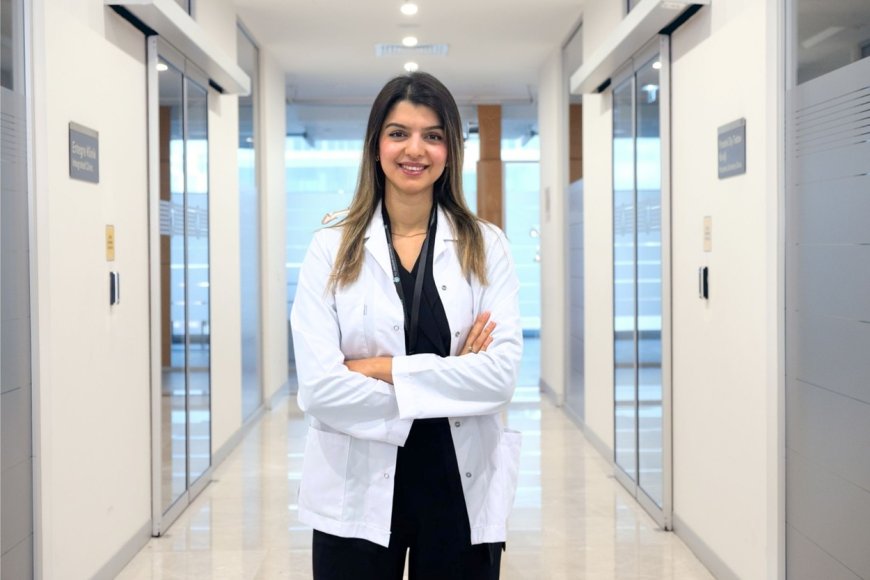
Prosthodontics Specialist Yaren Dilci Halmedov warns that tooth loss is not merely a cosmetic concern but a significant medical issue that directly affects chewing, speech, nutrition, and overall systemic health.
While often perceived as a visual flaw, missing teeth can disrupt the balance of the mouth, causing neighboring teeth to shift and lead to digestive complications due to inadequate chewing. According to Halmedov, modern dentistry offers various solutions—from dental implants to All-on-X systems—but emphasizes that early diagnosis and regular oral care remain the primary keys to preventing tooth loss before it occurs.
Impact on the digestive system and dental alignment
The absence of a tooth triggers a chain reaction within the oral cavity. Specialist Halmedov explains that when a gap is left untreated, adjacent teeth begin to tilt into the space, and teeth in the opposing jaw may start to over-erupt. "This misalignment diminishes chewing efficiency, which can lead to various digestive system problems and nutritional deficiencies," Halmedov warned, noting that tooth loss should be evaluated through its functional and systemic effects.
Modern prosthetic treatment options
Current dental technology provides multiple effective ways to restore function and aesthetics. Depending on bone density and patient needs, Halmedov lists the following options:


-
Dental Implants: The primary choice for single or multiple tooth loss, providing a stable and natural feel.
-
Bridges and Partial Dentures: Used when bone density is insufficient for implants or due to systemic health limitations.
-
All-on-X Method: A fixed solution for total tooth loss where 4, 6, or 8 implants support a full arch of teeth.


-
Total Dentures: Removable "palate" dentures for patients who are not candidates for implant-supported surgeries.
Prevention through early diagnosis
The most effective way to prevent tooth loss is maintaining a strict oral hygiene routine, including brushing at least twice a day and using dental floss. Halmedov highlights that regular check-ups allow dentists to detect cavities and gum disease in their early, reversible stages. By treating these issues early, teeth can be preserved in the mouth, avoiding the need for extractions and the subsequent health complications associated with missing teeth.
What's Your Reaction?
 Like
0
Like
0
 Dislike
0
Dislike
0
 Love
0
Love
0
 Funny
0
Funny
0
 Wow
0
Wow
0
 Sad
0
Sad
0
 Angry
0
Angry
0

Editor | GoBestDentists.com delivers reliable and up-to-date dental health information by featuring expert opinions from dentists and oral health professionals. The platform covers the latest developments in dentistry, modern treatment methods, and innovative dental technologies with a commitment to accuracy, transparency, and patient-focused reporting. All content is prepared in line with international health journalism standards and based on verified sources and clinical insights.














Comments (0)