



Understanding Bruxism: Causes, Symptoms, and Dental Treatments
Bruxism, a common condition involving teeth grinding and clenching, can lead to severe jaw pain and dental damage if left untreated by medical specialists.
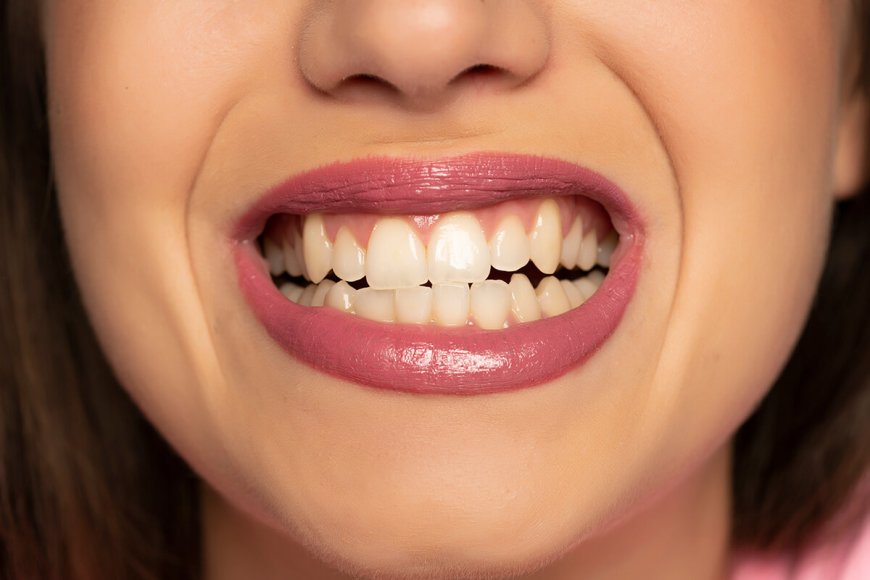


BY BİLGE TÜRK | GO BEST DENTISTS
ANKARA, TÜRKİYE — Bruxism, the medical condition characterized by unconscious teeth grinding or clenching, is increasingly identified as a significant movement disorder affecting both oral health and overall sleep quality in patients worldwide.
While mild cases of bruxism may not require immediate medical intervention, chronic and severe grinding can lead to permanent tooth damage, temporomandibular joint (TMJ) disorders, and persistent tension headaches. Medical experts highlight that sleep bruxism is often linked to other sleep-related conditions, such as snoring and obstructive sleep apnea, making early diagnosis crucial for a patient's long-term well-being.
Root causes and risk factors
Although the exact cause of bruxism remains a subject of ongoing medical research, experts believe it stems from a combination of genetic, physical, and psychological factors. "Awake bruxism" is frequently triggered by emotional states such as anxiety, stress, anger, or deep concentration. In contrast, sleep bruxism is often considered a sleep-related movement disorder associated with arousal during sleep cycles.
Several factors increase the risk of developing the condition, most notably high stress levels and competitive or hyperactive personality types. Additionally, bruxism can be a side effect of certain psychiatric medications or associated with medical conditions like Parkinson’s disease, GERD, and ADHD. Lifestyle choices, including the consumption of caffeine, alcohol, and tobacco, are also known to exacerbate the severity of grinding.


Recognizing the symptoms of grinding
Many individuals are unaware they grind their teeth until a sleep partner notices the sound or physical symptoms manifest. Common signs include flattened, fractured, or loose teeth, and worn tooth enamel that exposes deeper layers of the tooth. Patients often report increased tooth sensitivity, jaw muscle fatigue, or a "locked" jaw that does not open or close completely.
Other non-dental symptoms include dull headaches starting in the temples, earache-like pain without an actual ear infection, and damage to the inside of the cheek from unconscious chewing. If these symptoms persist, dentists recommend an immediate evaluation to prevent the destruction of dental restorations and crowns.
Modern diagnostic and treatment approaches
Dentists typically diagnose bruxism during routine examinations by checking for tenderness in the jaw muscles and visible dental abnormalities. Treatment focuses on preventing further damage and relieving pain. The most common approach involves the use of dental splints or mouth guards—custom-made from hard acrylic or soft materials—to keep the teeth separated during sleep.


For severe cases where wear has led to chewing difficulties, dentists may need to reshape the chewing surfaces or use crowns to repair the damage. Beyond dental procedures, therapeutic approaches such as stress management, biofeedback, and in some cases, muscle relaxants or anti-anxiety medications are utilized to address the underlying psychological triggers. Lifestyle adjustments, such as reducing caffeine intake and practicing relaxation techniques before bed, remain vital components of a successful treatment plan.
What's Your Reaction?
 Like
0
Like
0
 Dislike
0
Dislike
0
 Love
0
Love
0
 Funny
0
Funny
0
 Wow
0
Wow
0
 Sad
0
Sad
0
 Angry
0
Angry
0

Editor | GoBestDentists.com delivers reliable and up-to-date dental health information by featuring expert opinions from dentists and oral health professionals. The platform covers the latest developments in dentistry, modern treatment methods, and innovative dental technologies with a commitment to accuracy, transparency, and patient-focused reporting. All content is prepared in line with international health journalism standards and based on verified sources and clinical insights.
















Comments (0)