



What is removable orthodontic treatment? Benefits and ideal age
Explore removable orthodontic treatments: an effective way to guide jaw development in children and correct minor dental misalignments without permanent braces.


GOBESTDENTISTS.COM / ANKARA, TURKEY — DECEMBER 27, 2025
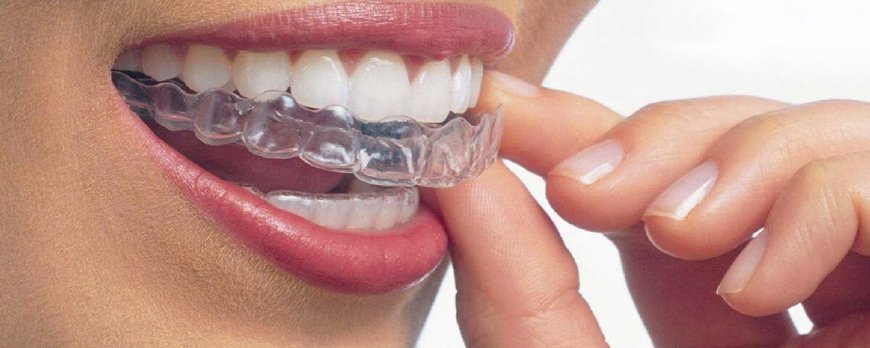
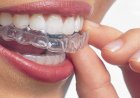
Orthodontic treatments are generally categorized into two main groups: fixed treatments, involving brackets bonded to the teeth, and removable treatments, which utilize appliances that patients can insert and remove themselves. Removable orthodontic treatment is a highly comfortable and effective method, particularly for growing children, used to manage jaw development and correct minor dental irregularities.
Unlike fixed braces, these appliances apply gentle pressure. They are primarily designed to address foundational alignment issues and expand the jaw structure rather than solving complex orthodontic cases that require permanent attachment.
Treatment mechanisms and effectiveness by age
The purpose of removable orthodontic appliances varies significantly depending on the patient’s developmental stage. Specialists typically plan the treatment journey across these three growth phases:
-
Ages 8-10: Simple corrections are made to prevent jaw "locking" and to fix crossbites that occur as permanent teeth begin to erupt.


-
Ages 11-13 (The Ideal Window): This is the peak period for skeletal change. Significant issues such as jaw recession, narrow upper jaws, and structural bone problems can often be resolved without the need for future surgery.
-
Adults: Removable appliances are primarily used for very minor tooth corrections or as "retainers" to maintain the position of teeth after fixed orthodontic treatment is completed.
Advantages of removable orthodontic appliances
Early intervention allows many skeletal problems to be resolved without invasive surgery. One of the greatest benefits for children is hygiene; because the appliance is removable, brushing and flossing are much easier compared to fixed braces. When used for the recommended 16–18 hours per day, these devices can achieve remarkable results in bone development.


From an economic perspective, these treatments offer a cost-effective way to mitigate severe issues, often shortening the duration of any necessary orthodontic phases in later years.
Who is a candidate for removable treatment?
While removable orthodontic treatments can be applied to patients of all ages, the results depend heavily on the age of application. In early childhood, the focus is on skeletal correction, whereas in patients aged 13 and older, the focus shifts to minor aesthetic adjustments, such as closing small gaps or fixing slight tilts. Success is directly tied to patient compliance—the more consistently the appliance is worn according to the dentist’s instructions, the more effective the outcome.
Source : Dr. Yasin Akgül
What's Your Reaction?
 Like
0
Like
0
 Dislike
0
Dislike
0
 Love
0
Love
0
 Funny
0
Funny
0
 Wow
0
Wow
0
 Sad
0
Sad
0
 Angry
0
Angry
0

Editor | GoBestDentists.com delivers reliable and up-to-date dental health information by featuring expert opinions from dentists and oral health professionals. The platform covers the latest developments in dentistry, modern treatment methods, and innovative dental technologies with a commitment to accuracy, transparency, and patient-focused reporting. All content is prepared in line with international health journalism standards and based on verified sources and clinical insights.














Comments (0)